.webp)


Stronger Revenues Give Sri Lanka Room to Protect the Poor : IMF



.png )
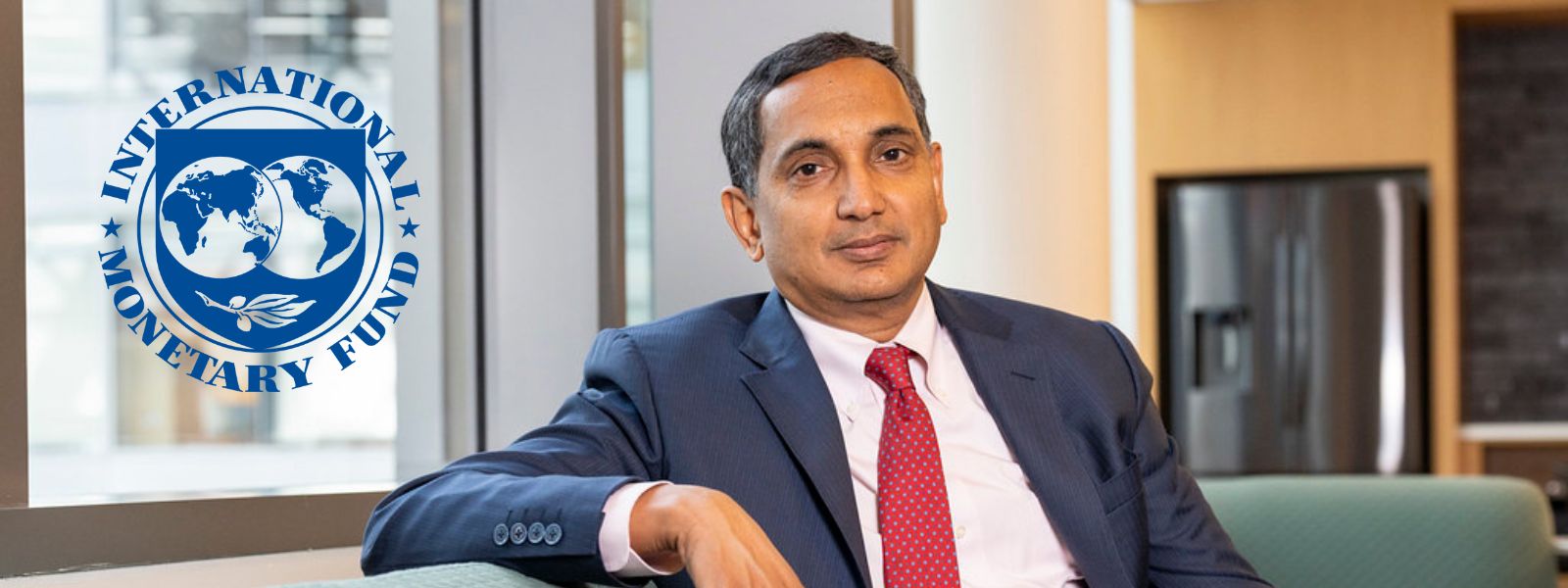
COLOMBO (News 1st); Sri Lanka is in a stronger position than it was at the height of its economic crisis to support citizens affected by rising energy costs, but must continue its reform path to secure long-term stability, a senior International Monetary Fund (IMF) official said.
Krishna Srinivasan, Director of the IMF’s Asia and Pacific Department, said Sri Lanka has made significant progress over the past three years in strengthening its fiscal position, particularly by boosting tax revenue as a share of gross domestic product.
He noted that these improvements have helped the country gradually rebuild fiscal buffers.
“In the case of Sri Lanka, over the last three years they have made significant improvement in boosting their tax revenue as a share of GDP,” Srinivasan said. “So, they have gradually built up fiscal buffers. They are better placed to provide support to the people who have been hurt by this energy shock.”
He emphasized that while general principles of fiscal discipline apply across the region, Sri Lanka is now in a better position than many countries to deliver targeted support, provided it uses available buffers efficiently.
The comments came in response to a question from Zulfick Farzan of News 1st.
Srinivasan said Sri Lanka shares vulnerabilities with many other Asian economies due to its reliance on imported oil and gas, making it exposed to global energy price shocks.
However, he stressed that the country’s recent fiscal improvements mark a clear shift from the depths of the crisis.
“Like many other countries in Asia, Sri Lanka relies a lot on the import of energy, oil and gas,” he said. “So, they are as vulnerable as other countries in the region. But over the last three years, they have slowly built up buffers on the fiscal side.”
Srinivasan highlighted that Sri Lanka’s revenue-to-GDP ratio has doubled from the bottom of the crisis to its current level, giving policymakers greater capacity to respond.
This, he said, places Sri Lanka in a better position to deliver well-targeted fiscal support to those most affected by rising costs, without undermining economic stability.
At the same time, he cautioned that continued adherence to the reform program remains critical.
“It is important that they continue with the reforms which they have embarked upon,” Srinivasan said, “so that they can secure inclusive, balanced and strong growth going forward.”
Other Articles

-835312_550x300.jpg)

-835300_550x300.jpg)





Featured News


News 1st, MTV Channel (Pvt) Ltd, MBC Networks (Pvt) Ltd, 45/3, Braybrooke Street, Colombo-02.
T.P : +94 114 792 700,
Fax : +94 114 792 733
T.P : +94 114 792 700,
Fax : +94 114 792 733




 |  |  |
|---|---|---|
 |  |  |
 |  |  |
 |

.gif)