.webp)


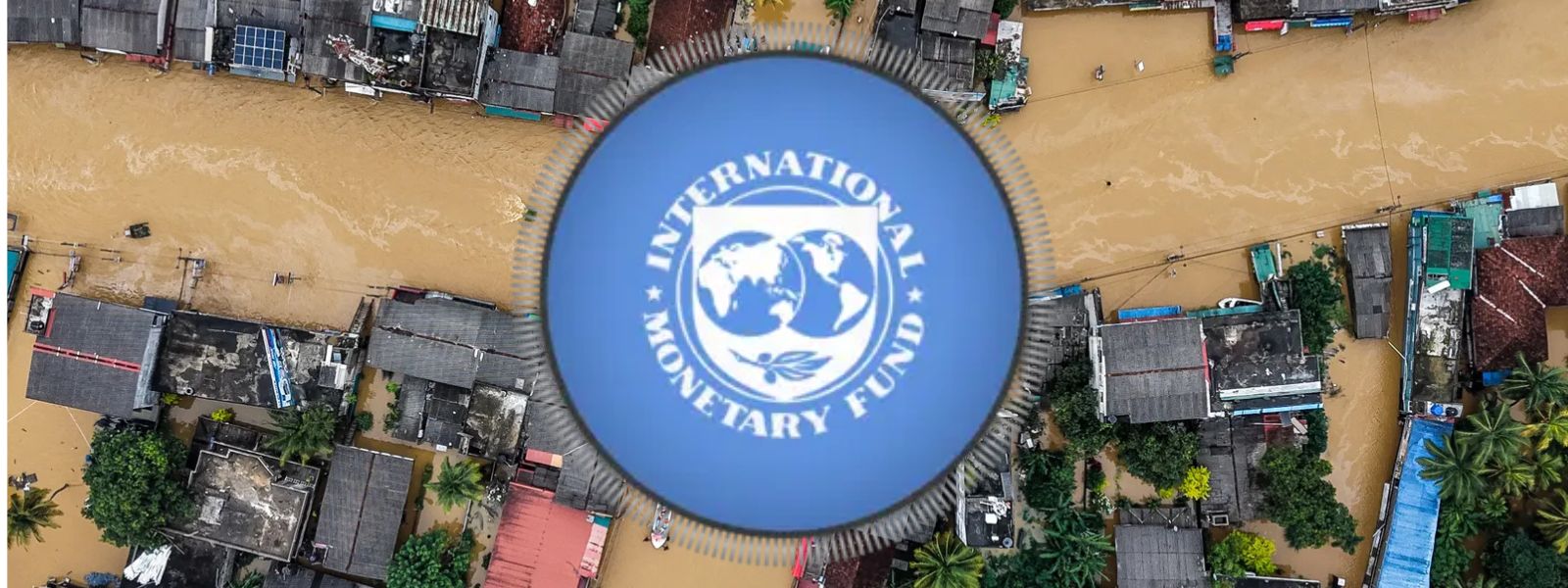
Sri Lanka’s Post-Cyclone Path Hinges on Fiscal Discipline : IMF



.png )
COLOMBO (News 1st); Sri Lanka entered this cyclone season with something it had fought hard to regain: resilience.
Steadfast reform implementation had bolstered the economy’s defenses, and by the time the storm made landfall, a robust recovery was underway. Macroeconomic stability had been restored, gross reserves had risen to cover three months of imports, and inflation had been low. Against this stronger foundation, growth is expected to return to potential—3.1 percent in 2027—with inflation reverting to target.
That optimism is not unfounded. Sri Lanka has a track record of bouncing back from national disaster episodes, with reconstruction efforts historically supporting growth. From 2027 onward, the current account deficit is projected to narrow, aided by a rebound in tourism, a pick‑up in agricultural exports, and the natural dissipation of imports tied to emergency goods and reconstruction-related materials.
Yet the path forward is far from assured. According to the 2025 December Country Report by the International Monetary Fund, here is a high degree of uncertainty surrounding the economic outlook, and risks are decisively tilted to the downside. The cyclone has disrupted the recovery and heightened external and debt sustainability risks, compounding pre‑existing vulnerabilities. A reimposition of higher tariffs by the United States would depress exports and growth. Prolonged trade policy uncertainty and continued geopolitical tensions could further dampen tourism, while triggering commodity price volatility—particularly acute when the country is more exposed to fluctuations in food and fuel prices.
The IMF says that at the same time, administrative capacity constraints—inevitable as resources are diverted to disaster response and reconstruction—may delay the implementation of structural reforms critical for achieving long‑term development objectives.
On the upside, the reconstruction phase offers a genuine opportunity to build back better and strengthen resilience.
But this too carries execution risk: coordination challenges could lead to implementation delays and under‑execution, weakening the intended impact.
Debt dynamics underscore both progress and prudence. Between 2022 and 2024, Sri Lanka’s debt restructuring delivered substantial relief and put public debt on a more sustainable path. Public debt‑to‑GDP fell from 125.8% to 105.7%, gross financing needs‑to‑GDP declined from 33.9% to 21.9%, and the interest‑to‑revenue ratio improved from 79% to 56%. Even so, post‑restructuring indicators remain elevated. Authorities must design a careful strategy to preserve the path to debt sustainability while supporting recovery and reconstruction—making fiscal prudence paramount.
That prudence will be tested most in emergency spending. Deployments must be executed strictly in line with the well‑defined mechanisms of the Public Finance Management (PFM) Act. The supplementary under the 2026 budget must adhere to the Act’s procedures and should be used only when needs cannot be met through virements, the annual budget reserve, or the Contingencies Fund.
Any breach of the primary expenditure ceiling must be justified under the Act’s escape clauses and accompanied by a recovery plan, plus corrective measures in subsequent budgets.
Draft PFM regulations—covering budget execution, fiscal rules, and enforcement procedures—are being finalized and will specify these safeguards, reinforcing fiscal discipline even during emergencies. Looking ahead, government should strengthen financial preparedness for disaster response through dedicated disaster funds, insurance, and other risk‑transfer mechanisms.
Robust governance frameworks will be just as essential. All emergency spending—including allocations through the Rebuilding Sri Lanka Fund and donor contributions—must comply with the accountability and transparency requirements of the PFM Act and other governance safeguards.
This includes publishing procurement contracts and disclosing beneficial ownership on the official government website to ensure public accessibility.
Any procurement deviations permitted under disaster response should follow guidelines set by the National Procurement Commission and be documented and disclosed as part of public reporting. Regular public reporting and independent audits will help ensure funds are used as intended.
Source: IMF Sri Lanka Country Report December 2025
Other Articles

-820413_550x300.jpg)
-820407_550x300.jpg)


-820382_550x300.jpg)




Featured News
-819380_550x300.jpg)


-812087_550x300.jpg)
-810262_550x300.jpg)
News 1st, MTV Channel (Pvt) Ltd, MBC Networks (Pvt) Ltd, 45/3, Braybrooke Street, Colombo-02.
T.P : +94 114 792 700,
Fax : +94 114 792 733
T.P : +94 114 792 700,
Fax : +94 114 792 733




 |  |  |
|---|---|---|
 |  |  |
 |  |  |
 |

.gif)