.webp)


-849464.jpg)
What Triggered Sri Lanka's Extreme Rainfall?



.png )
COLOMBO (News 1st); The Department of Meteorology has attributed the recent spell of heavy rainfall across Sri Lanka's Central Highlands to a combination of an active southwest monsoon, increased atmospheric moisture and upper-level atmospheric disturbances, despite earlier expectations that El Niño conditions would suppress such weather patterns.
Director General of Meteorology Ajith Wijemanna said southwest monsoon activity naturally alternates between active and inactive phases and that Sri Lanka has experienced periods of heavy rainfall during August in previous years. However, he noted that the current intensity of rainfall was not initially expected due to the prevailing El Niño influence.
According to Wijemanna, meteorologists observed disturbances developing in the upper atmosphere from yesterday, while a significant amount of moisture accumulated in the atmosphere. At the same time, strengthening winds, which had been forecast over the past several days, carried large volumes of moisture directly towards the Central Highlands.
He explained that the interaction between these systems resulted in exceptionally high rainfall across the hill country, making the Central Highlands the region most severely affected by the ongoing weather event.
Meanwhile, the Department of Meteorology expects the rainfall to continue tonight and into tomorrow morning, particularly across Kandy, Nuwara Eliya, the Sabaragamuwa Province and parts of the Western Province.
However, the current atmospheric disturbance is expected to weaken and move away by tomorrow afternoon, leading to a gradual reduction in rainfall after midday.
Despite the expected improvement, weather authorities are also monitoring a developing typhoon south of Japan in the Pacific Ocean, which could once again influence weather conditions over Sri Lanka in the coming days.
Wijemanna warned that while rainfall may decrease temporarily, strengthening wind flows associated with the Pacific weather system could lead to another increase in rainfall from around August 6.
The western slopes of the Central Highlands are expected to be most affected, with the Sabaragamuwa Province and the Kandy and Nuwara Eliya districts likely to receive the highest rainfall should the system intensify.
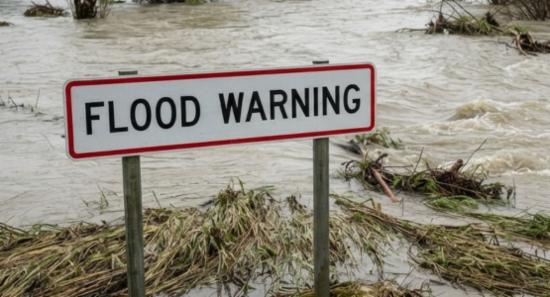
The latest forecast comes as several parts of the country continue to grapple with flooding, landslides, rising river levels and weather-related disruptions triggered by days of intense rainfall.
Other Articles








Featured News
-849213_550x300.jpg)

-848028_550x300.jpg)

-847152_550x300.jpg)
News 1st, MTV Channel (Pvt) Ltd, MBC Networks (Pvt) Ltd, 45/3, Braybrooke Street, Colombo-02.
T.P : +94 114 792 700,
Fax : +94 114 792 733
T.P : +94 114 792 700,
Fax : +94 114 792 733




 |  |  |
|---|---|---|
 |  |  |
 |  |  |
 |

.gif)