.webp)


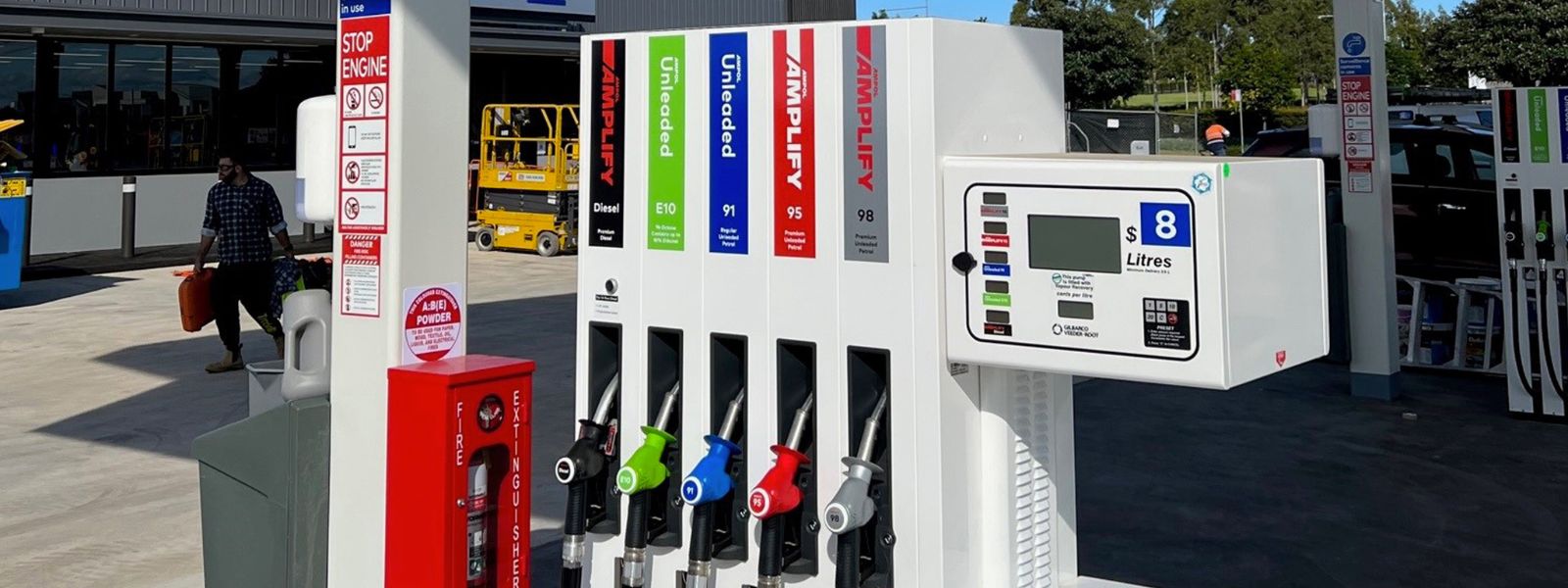
Australia Warns of Fuel Supply ‘Bumps’ As Six Fuel Tankers Cancelled or Delayed



.png )
COLOMBO (News 1st); Australia is beginning to feel the effects of disruptions to global oil supply chains as a result of the Middle East conflict, with six fuel tankers scheduled to deliver oil next month either cancelled or deferred, Energy Minister Chris Bowen has confirmed.
Speaking to ABC Insiders, Bowen said the affected shipments were part of around 81 fuel tankers expected to arrive in Australia between mid-April and mid-May. While acknowledging some disruption, he described the impact as manageable at this stage.
“There will be bumps,” Bowen said, adding that he hoped the situation gave Australians a realistic sense of the scale of impact the conflict was having on domestic fuel supplies.
According to the minister, some of the cancelled or deferred shipments have already been replaced by refiners and importers sourcing fuel from alternative suppliers. “Some of those have already been replaced by the importers and refiners with other sources,” Bowen said. “That gives us some context of what we are dealing with.”
Bowen acknowledged that the international environment remained highly challenging, noting that the flow of oil to Asian refineries has slowed, with knock-on effects for Australia.
“Of course the flow of oil to Asian refineries has slowed, and that has downward impacts on us,” he said.
The federal government remains confident that fuel supplies will arrive largely as scheduled until mid-April. Bowen said Australia currently has at least as much fuel supply in-country as it did before the outbreak of war in Iran.
“We still have two refineries working full pelt … and we also have the boats continuing to arrive, and the refiners and importers working very closely with government to replace those six being cancelled or deferred,” he said.
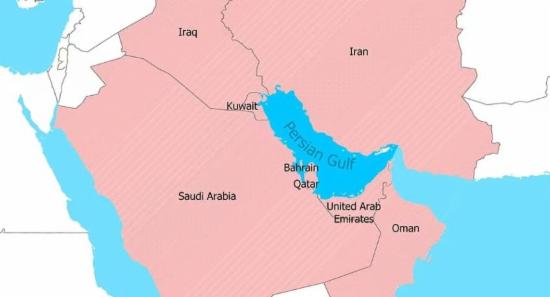
The supply disruptions follow Iran’s blockade of the Strait of Hormuz, which has cut off roughly a fifth of the world’s oil supply, including shipments to Asian refineries that export fuel to Australia.
In response, China and Thailand have moved to ban fuel exports to prioritise their own domestic needs.
Despite these measures, global energy companies have stepped in to fill supply gaps. Reuters reports that ExxonMobil, BP and Vitol are shipping record volumes of oil to Australia.
However, ship-tracking data shows fuel tankers are now travelling from the Gulf of Mexico, a significantly more expensive route, increasing costs across the supply chain.
The disruption has driven global oil prices sharply higher, contributing to a spike in petrol and diesel prices across Australia. The surge has directly affected consumers and added further pressure to inflation.
Bowen said the government has contingency plans in place should the conflict drag on for several more weeks, but stressed that extreme measures remain unlikely.
Triggering fuel rationing, he said, would be an extraordinary step.
“We’re a long way from that,” Bowen said.
Other Articles








Featured News




News 1st, MTV Channel (Pvt) Ltd, MBC Networks (Pvt) Ltd, 45/3, Braybrooke Street, Colombo-02.
T.P : +94 114 792 700,
Fax : +94 114 792 733
T.P : +94 114 792 700,
Fax : +94 114 792 733




 |  |  |
|---|---|---|
 |  |  |
 |  |  |
 |

.gif)