


Sri Lanka Can No Longer Depend on Luck in a Turbulent World



.png )
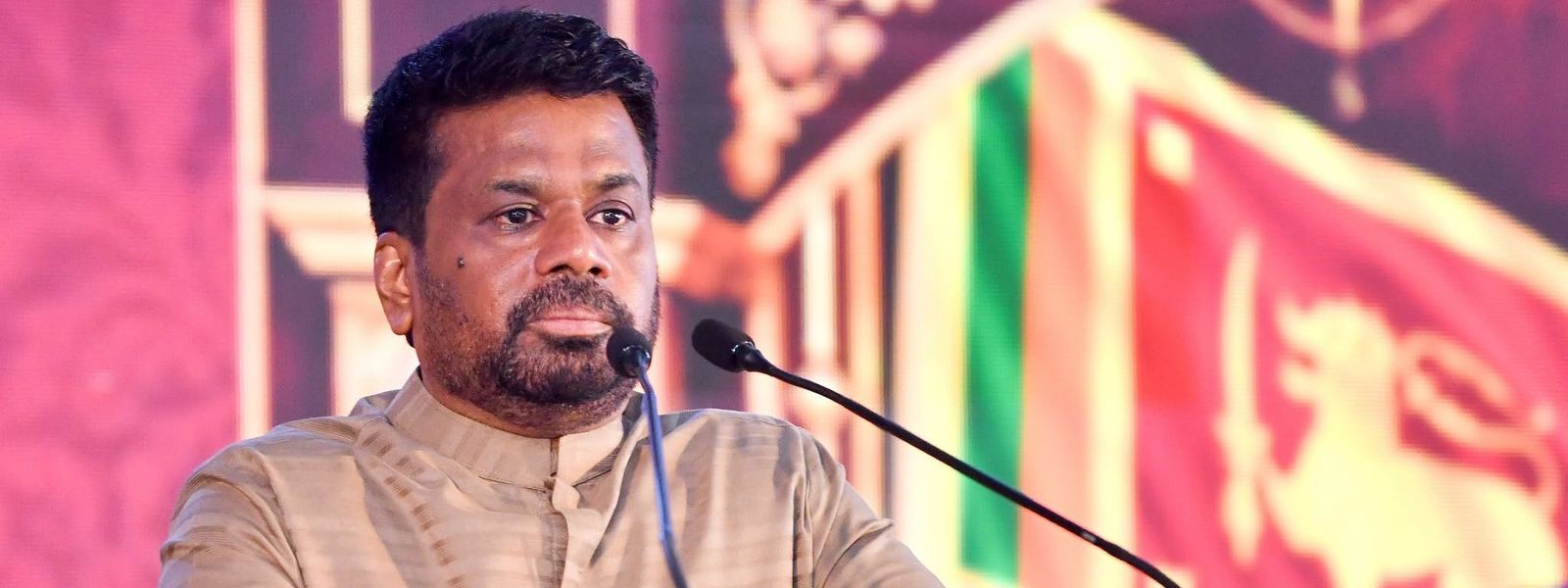
COLOMBO (News 1st); Sri Lanka is now focused on building an economy strong enough to withstand global shocks and external crises, ensuring that the country never again experiences the kind of economic collapse that brought unprecedented hardship to its people, President Anura Kumara Dissanayake said on Friday (23).
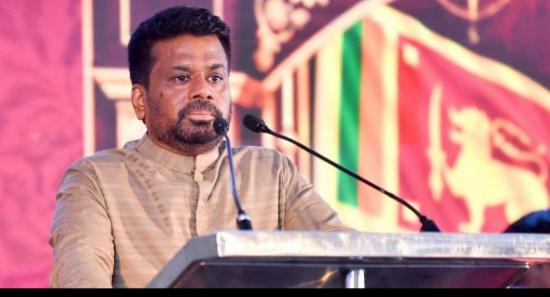
Addressing the centenary annual general meeting of the Government Surveyors' Association in Battaramulla, the President delivered a detailed assessment of the country's economic journey, explaining both the factors that triggered the crisis and the measures being taken to create a more resilient future.
According to the President, two key issues lay at the heart of Sri Lanka's economic collapse. The first was the government's inability to generate sufficient revenue to meet its financial obligations, forcing authorities to repeatedly print money or borrow from the banking system to bridge funding gaps.
He noted that the situation reached alarming levels in 2022, when the Treasury account was operating with an overdraft of nearly Rs. 700 billion, highlighting the severe financial strain facing the state at the time.
The second major factor behind the crisis, he said, was the country's inability to earn the foreign exchange required to sustain its economy.
Pointing to recent improvements, President Dissanayake said Sri Lanka's current account balance had reached a significantly stronger position in 2025. He noted that throughout the country's history there had only been three occasions when Sri Lanka recorded a positive current account balance, and the combined improvement from those periods amounted to roughly US$300 million.
By contrast, he said, Sri Lanka recorded a current account surplus of approximately US$1.8 billion in 2025, marking a significant turnaround in the country's external financial position.
However, the President cautioned that the country's recovery was being tested by unforeseen international developments, particularly the conflict in the Middle East, which has placed considerable pressure on energy costs and foreign exchange requirements.
He explained that Sri Lanka spent approximately US$4 billion on oil imports during the entirety of last year, while the same amount had already been spent by the end of August this year alone.
If that trend continues, the total annual cost of oil imports could exceed US$6 billion, creating substantial pressure on the country's foreign currency reserves and increasing demand for dollars.
President Dissanayake said one of the biggest challenges facing policymakers was how to manage that pressure on the dollar while safeguarding economic stability.
While Sri Lanka is capable of dealing with internal economic disruptions because it has control over its local currency, he stressed that the country remains vulnerable to external shocks that originate beyond its borders.
Such shocks, he noted, can directly impact the tourism industry, reduce foreign remittances sent home by Sri Lankan workers abroad, and drive up the cost of fuel and imported goods.
The President said the government's focus is therefore shifting beyond recovery and stabilization towards building an economy capable of absorbing external pressures and remaining stable even during periods of global uncertainty.
"We must build an economy that can withstand shocks coming from outside our borders. That is exactly what we are planning to do," he said.
Other Articles

-860010_550x300.jpg)

-859998_550x300.jpg)





Featured News




News 1st, MTV Channel (Pvt) Ltd, MBC Networks (Pvt) Ltd, 45/3, Braybrooke Street, Colombo-02.
T.P : +94 114 792 700,
Fax : +94 114 792 733
T.P : +94 114 792 700,
Fax : +94 114 792 733




 |  |  |
|---|---|---|
 |  |  |
 |  |  |
 |

