.webp)


Can Sri Lankans Expect Tax Relief? IMF Responds



.png )
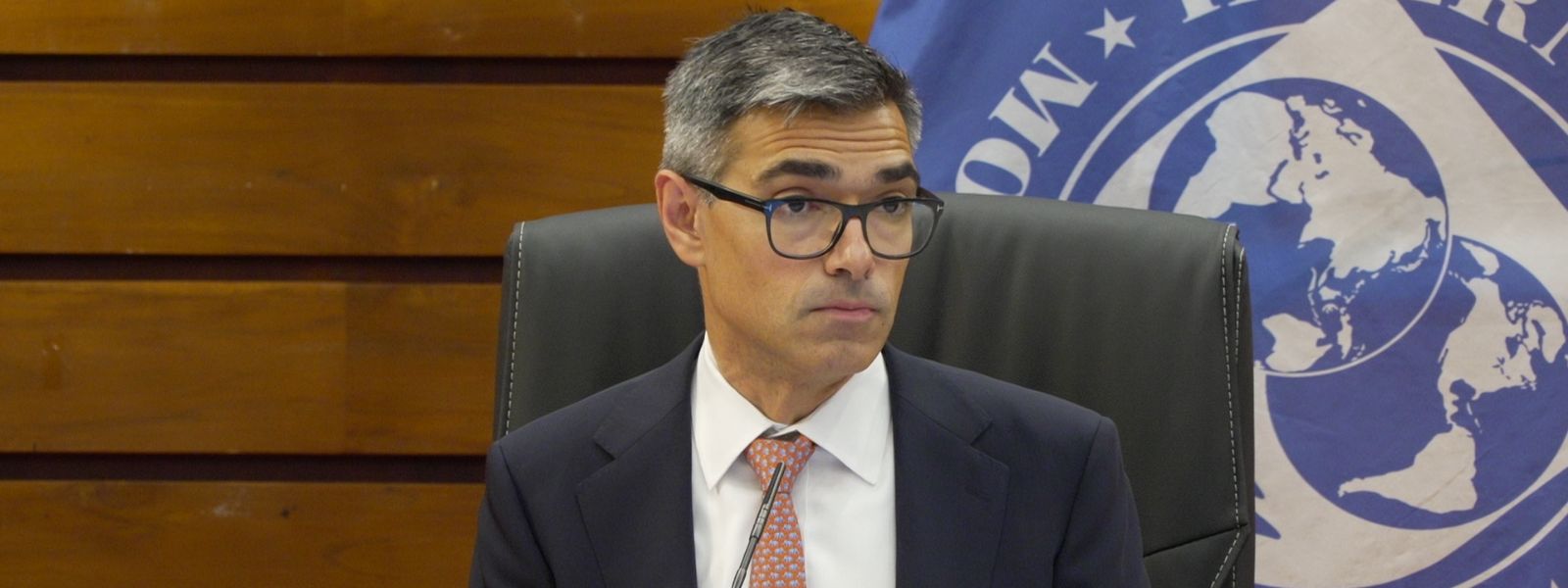
COLOMBO (News 1st); The International Monetary Fund (IMF) has proposed the development of a comprehensive Medium-Term Revenue Strategy as the foundation for any future tax reforms, while acknowledging growing calls for tax relief from Sri Lanka’s middle-income earners amid the country’s improving fiscal position.
The issue was raised during a media interaction when News 1st journalist Zulfick Farzan questioned whether the IMF sees room for tax relief given the Government’s improved fiscal space, while at the same time protecting vulnerable groups through social safety nets.
Responding to the question, Evan Papageorgiou, IMF Mission Chief for Sri Lanka, said there had been a significant improvement in the country’s fiscal position. He noted that tax revenue in 2025 reached 15.4 percent of GDP, approximately double the level recorded in 2022, describing it as a clear indication of stronger revenue generation.
Papageorgiou also pointed to the Government’s strong fiscal performance, noting that the primary surplus exceeded 5 percent last year and continues to outperform targets this year. The improved revenue collection, stronger fiscal buffers and healthier reserves, he said, have naturally led to questions from both the public and the media about whether the current tax burden can be eased.
Acknowledging those concerns, the IMF official described the question of tax relief as a fair one. He noted that many taxpayers are asking what the purpose of building larger reserves, stronger revenues and improved fiscal buffers is if there is no discussion about the level of taxation being imposed on citizens.
However, Papageorgiou stressed that decisions on tax relief cannot be taken in isolation. He explained that questions concerning the appropriate level of taxation, the sustainability of revenue collection, the pace of revenue growth and the possibility of tax reductions must all be examined together as part of a broader review of the country's tax framework.
According to the IMF Mission Chief, it would be difficult to justify reducing a specific tax or introducing isolated changes without first considering the overall structure of the tax system. He emphasized the need for an open, informed national debate on what Sri Lanka’s tax system should look like in the future.
That discussion, he said, should encompass personal income tax, corporate income tax, VAT, capital-related taxes, tax exemptions, incentives and other components of the revenue system. He noted that taxation is one of the most influential factors shaping economic activity and business decisions, making a comprehensive review essential.
Papageorgiou revealed that under the Extended Fund Facility (EFF) programme, the IMF is already working with Sri Lankan authorities to formulate a Medium-Term Revenue Strategy. He said the Government is currently determining its medium-term revenue objectives, which will later be expanded into a detailed framework outlining the future direction of tax policy.
He described the strategy as a critical precondition for future tax reforms, arguing that it would help answer key questions regarding taxation levels, revenue requirements and the potential scope for relief measures.
While declining to discuss specific tax concessions due to ongoing negotiations between the IMF and Sri Lankan authorities, Papageorgiou made it clear that the Fund understands the concerns of taxpayers and recognizes the arguments in favour of providing relief.
His remarks indicate that although no immediate tax cuts have been proposed, the IMF believes the discussion on tax relief should form part of a wider, carefully planned reform process. With tax revenues rising, fiscal targets being exceeded and the country’s economic position continuing to improve, the debate over tax relief for middle-income earners is expected to become an increasingly important issue.
Other Articles
-856323_550x300.jpg)



-856279_550x300.jpg)




Featured News




News 1st, MTV Channel (Pvt) Ltd, MBC Networks (Pvt) Ltd, 45/3, Braybrooke Street, Colombo-02.
T.P : +94 114 792 700,
Fax : +94 114 792 733
T.P : +94 114 792 700,
Fax : +94 114 792 733




 |  |  |
|---|---|---|
 |  |  |
 |  |  |
 |

.gif)