.webp)


Sri Lanka's Economy Back to Pre-Crisis Strength, No Risk of Another Bankruptcy



.png )
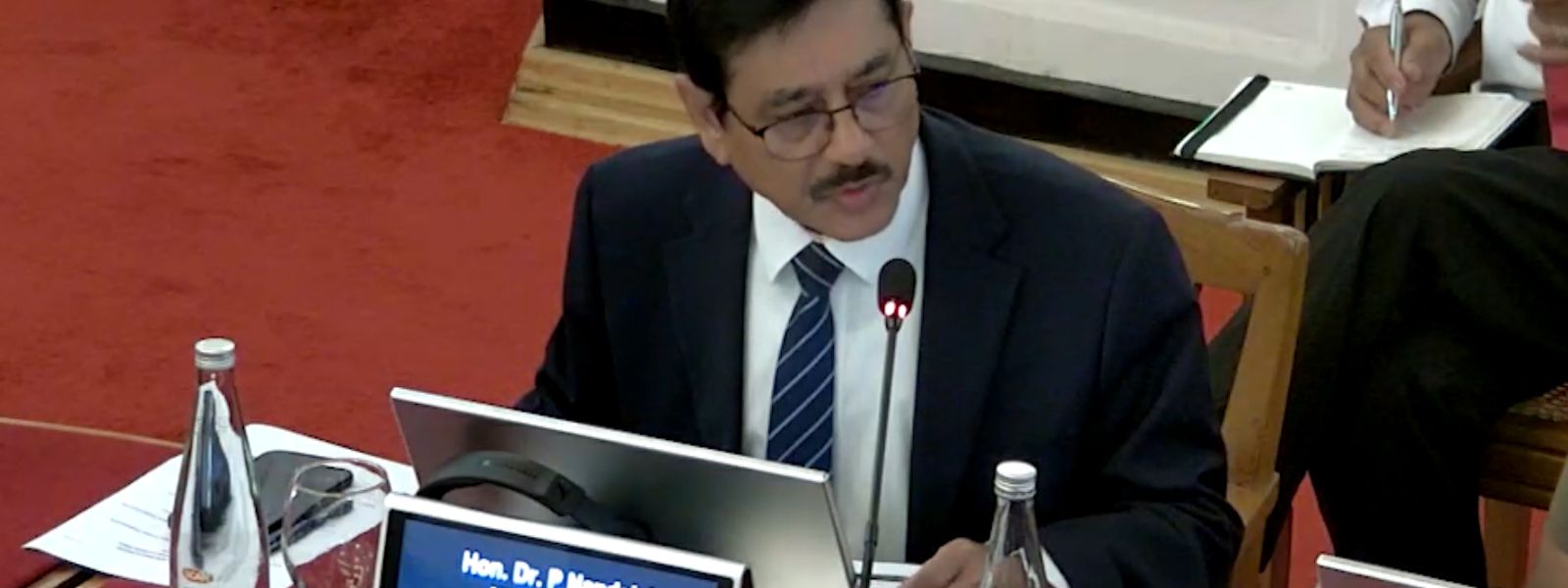
COLOMBO (News 1st): Sri Lanka's economy has recovered to almost the same size it was before the country's unprecedented economic crisis, with key indicators pointing to sustained growth, stronger financial stability and a significantly reduced risk of returning to debt default, according to Central Bank Governor Dr. Nandalal Weerasinghe.
Describing Sri Lanka's recovery as one of the fastest witnessed following a severe balance of payments and debt crisis, Dr. Weerasinghe said the country's economic turnaround is increasingly being studied internationally as an example of how a nation can regain stability through reforms, fiscal discipline and international cooperation.
"The size of the economy has now recovered to almost the same levels we had before the crisis," the Governor said, noting that per capita income has also returned to some of the highest levels previously recorded.
Sri Lanka's Gross Domestic Product (GDP), one of the most important measures of economic performance, is expected to record growth close to 5 percent this year, marking the third consecutive year of economic expansion since the crisis.
According to Dr. Weerasinghe, growth during the first half of the year is expected to remain close to 5 percent, while the second half may see slightly slower growth due to the impact of the Middle East conflict and elevated global energy prices. Nevertheless, the economy is still expected to expand within a healthy range of between 4 and 5 percent.
He expressed confidence that the country will maintain a similar growth trajectory next year, supported by ongoing reforms and investments designed to expand economic capacity.
The Governor highlighted the resilience demonstrated by the Sri Lankan economy despite several significant external and domestic challenges, including the impact of the Ditwah Cyclone and the economic effects of heightened tensions in the Middle East.
As a net importer of oil, Sri Lanka has faced pressure from rising global energy prices, which have affected inflation, the balance of payments and the pace of foreign reserve accumulation. However, Dr. Weerasinghe stressed that the country has been able to absorb these shocks because of the economic buffers built over recent years.
"We have been able to manage these situations successfully because we have created sufficient buffers across all sectors of the economy," he said.
On the fiscal front, the Governor pointed out that the government's primary surplus has exceeded the International Monetary Fund's target of 2.3 percent and is expected to rise even further. He added that strong fiscal management and healthy government cash balances have created a safety net to withstand any future economic shocks.
Sri Lanka's foreign exchange position has also continued to strengthen.
Foreign reserves currently stand at approximately US$6.8 billion and are expected to rise to nearly US$8 billion by the end of the year, which would be one of the highest reserve levels recorded in recent years.
Dr. Weerasinghe credited support from the IMF, World Bank, Asian Development Bank and bilateral partners, together with renewed infrastructure investments, for helping accelerate reserve accumulation and strengthen the country's external position.
At the same time, tourism earnings and workers' remittances have performed exceptionally well, significantly outpacing levels seen in recent years and playing a key role in the country's recovery.
While inflation has risen to around 7 percent, above the Central Bank's 5 percent target, the Governor said this increase is largely driven by external factors, particularly higher transportation and energy costs linked to global developments.
He expressed confidence that recent proactive monetary policy measures taken by the Central Bank will bring inflation back to the target range of 5 percent by the first half of next year.
Sri Lanka has also achieved another milestone, recording current account surpluses for three consecutive years for the first time in its history.
Although higher petroleum prices temporarily created pressure during May and June, Dr. Weerasinghe said the external sector is already recovering and the current account is expected to remain in surplus during the second half of the year.
The Governor emphasized that Sri Lanka is now in a much stronger position to withstand unexpected global and domestic shocks due to enhanced fiscal, monetary and external sector buffers.
A major pillar of that stability, he noted, is the country's debt restructuring programme.
Supported by multilateral lenders, bilateral creditors and commercial bondholders, Sri Lanka has successfully restructured its debt obligations over the next decade, creating a more manageable repayment path.
Dr. Weerasinghe said annual debt servicing commitments are expected to remain below US$4 billion while foreign reserves are projected to continue growing towards US$8 billion, US$9 billion and potentially even US$10 billion over the coming years.
He also highlighted what he described as a remarkable fiscal achievement, noting that government revenue has doubled from around 8 percent of GDP during the crisis years to approximately 16 percent of GDP today.
According to the Governor, few countries emerging from a severe economic collapse have managed to improve revenue collection, maintain expenditure discipline and achieve fiscal sustainability within such a short time frame.
Looking ahead, he said stronger economic growth will help tackle poverty, improve financial inclusion, accelerate digitalisation and reduce economic disparities across the country.
Dr. Weerasinghe further revealed that discussions are ongoing with international credit-rating agencies on a potential upgrade of Sri Lanka's sovereign credit rating.
Having already moved from default status to the CCC category, he said Sri Lanka now believes it is ready to return to a higher B-level rating, where it stood before the crisis.
With economic output nearing pre-crisis levels, foreign reserves steadily rising, debt obligations restructured and growth continuing for a third consecutive year, the Central Bank Governor said Sri Lanka has transformed itself from a nation battling economic collapse into one increasingly recognised internationally as a model of resilience, recovery and sustainable reform.
Other Articles
-852574_550x300.jpg)








Featured News


-849213_550x300.jpg)

News 1st, MTV Channel (Pvt) Ltd, MBC Networks (Pvt) Ltd, 45/3, Braybrooke Street, Colombo-02.
T.P : +94 114 792 700,
Fax : +94 114 792 733
T.P : +94 114 792 700,
Fax : +94 114 792 733




 |  |  |
|---|---|---|
 |  |  |
 |  |  |
 |

.gif)