.webp)


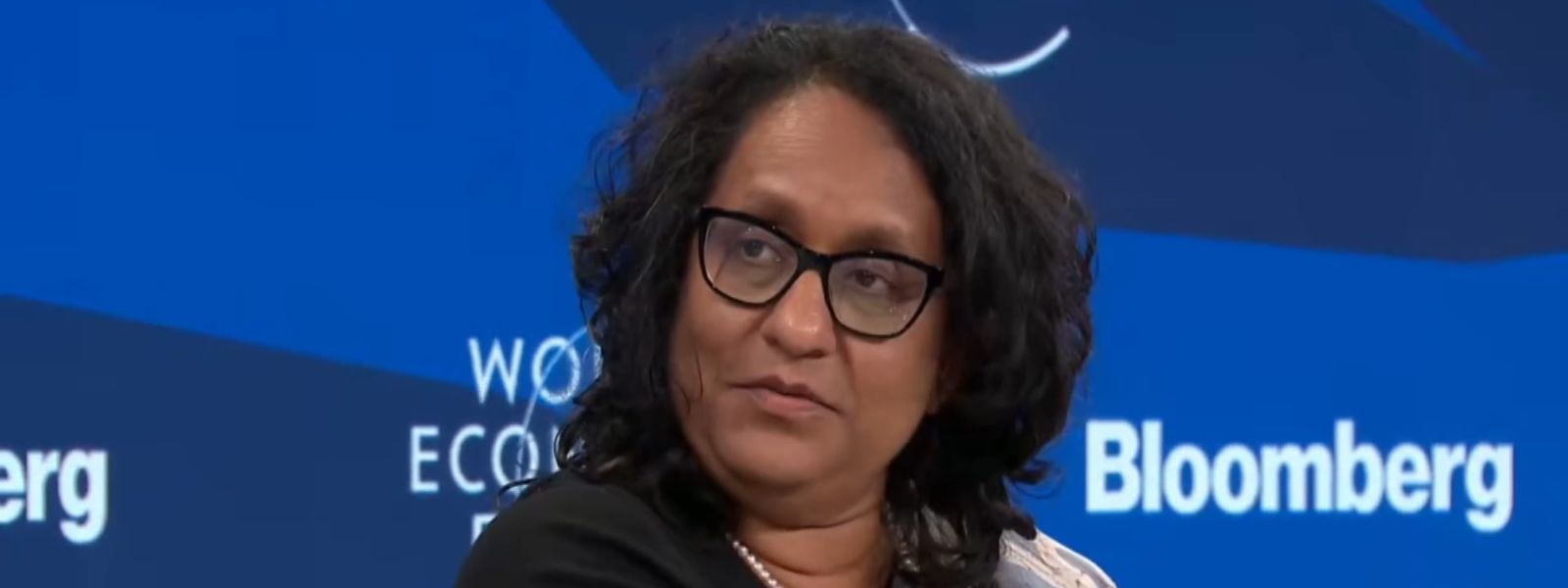
Harini Calls For Recognising Unpaid Care Labour



.png )
COLOMBO (News 1st); Sri Lanka’s Prime Minister Harini Amarasuriya emphasized the importance of recognising unpaid care work as a vital but overlooked component of the economy.
She noted that while discussions often focus on disparities between academic and vocational pathways, there is significantly less attention on the economic value generated by unpaid care work, where more than 70% of women are engaged.
She highlighted that this labour, although not captured in GDP calculations, plays a crucial role in sustaining national economies.
In countries like Sri Lanka, where many women work in unpaid care or informal sectors, she stressed that job creation policies must not only address opportunities for young people but also ensure that new employment is equitable and inclusive of women whose contributions remain largely unrecognised.
The Prime Minister added that economies would struggle to function without unpaid care work, yet systems for recognising, organising, or redistributing this labour remain inadequate—limiting women’s ability to enter paid employment.
She further pointed out that Sri Lanka now faces demographic pressure from two directions: a growing number of young people entering the job market and an ageing population seeking continued productivity. This dual challenge reflects the country’s demographic transition from the youth bulge of the 1980s to an increasingly older population today.
Other Articles


-830729_550x300.jpg)
-830718_550x300.jpg)
-830712_550x300.jpg)





Featured News



News 1st, MTV Channel (Pvt) Ltd, MBC Networks (Pvt) Ltd, 45/3, Braybrooke Street, Colombo-02.
T.P : +94 114 792 700,
Fax : +94 114 792 733
T.P : +94 114 792 700,
Fax : +94 114 792 733




 |  |  |
|---|---|---|
 |  |  |
 |  |  |
 |

.gif)