.webp)


-849763.jpg)
Hope For Nature? The Untold Story of Kumana’s Post War Restoration



.png )
COLOMBO (News 1st); “We did it for the love of Kumana. We didn’t do it to get anything back. We didn’t get the money from any other people. We pooled [our money] and we did it for our happiness because we loved Kumana.”
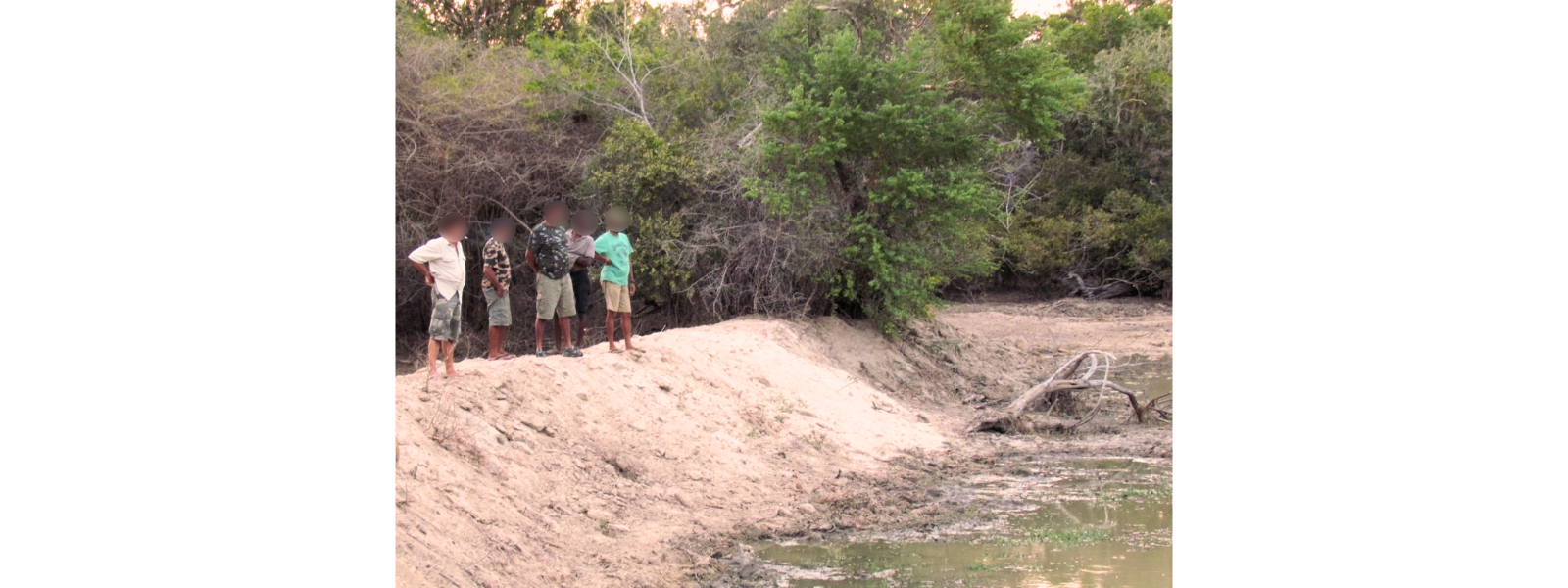
One of three men told me this, seated around a small campfire on Kumana’s beach. Aside from the firelight, there are no bright city lights, no mechanical humming. The night sky is pure black---it’s the clearest you’ll see the stars twinkle on the island.
The group said they called each other ‘G10’ back in the day--after the ten original volunteers who worked to restore Kumana’s water sources during the Civil War. During the Civil War, Kumana remained closed to visitors due to the conflict. Forces occupied a portion of the park for decades.
“They ate everything,” one man states, “they ate every possible animal except the elephant. [They ate] water buffalo. Deer. Wild boar.”
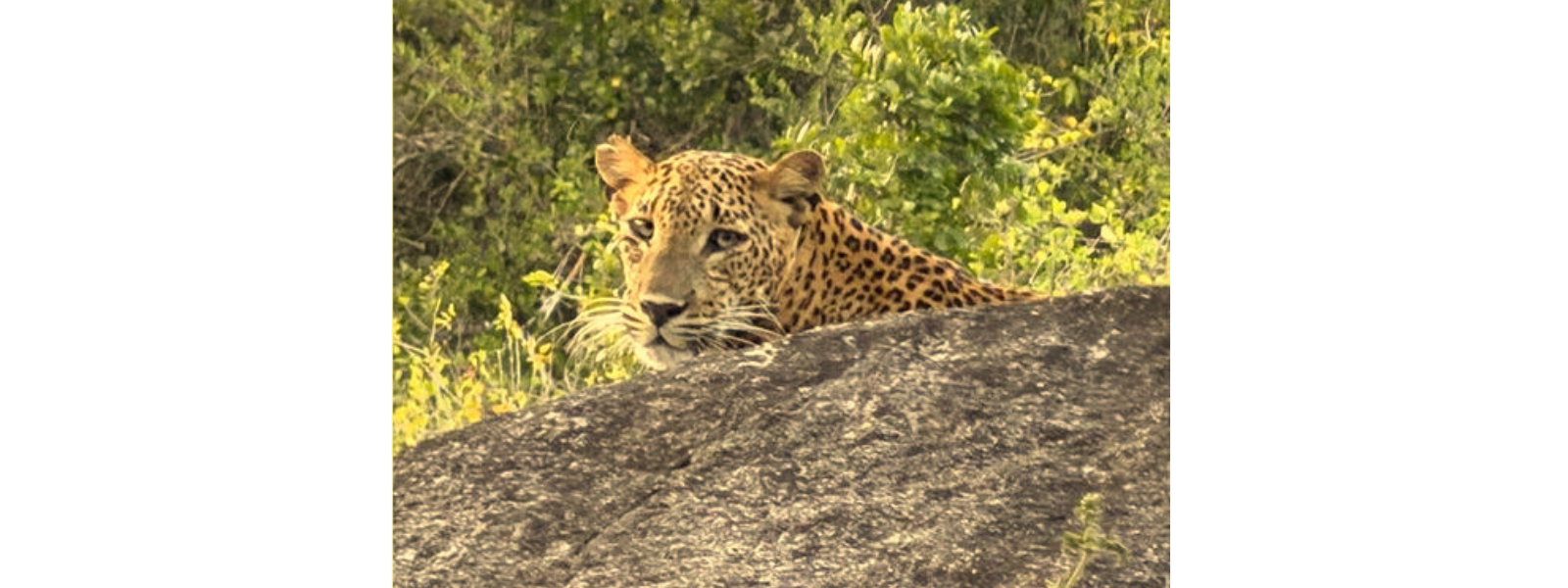
“If they confronted a leopard, they would shoot it,” another added. Regardless of the occasional skirmish, the majority of leopards had fled the park by the end of the conflict. Their prey? Reduced to a pile of bones. Trees and bushes were stripped for firewood--the land scorched by conflict.
“The first time we came [in 2002], we saw only one deer--after 5 days.” Not a single leopard. Not a single elephant.
“Slowly, slowly, it improved once the war stopped in 2009. ‘Till 2009, constantly, we came every year. We met the LTTE, we met the army, we met the STF. They didn’t harm us.”
“They let us be,” another one added. These volunteers weren’t naturalists. They weren’t being supported by the government. “We were airline attendants,” they said. They had grown up near Kumana, exploring it throughout childhood (for some since the 60’s) until it became a second home.
“We were trying to help,” they said. At any chance they got, when they landed in Sri Lanka, they would brave the park.
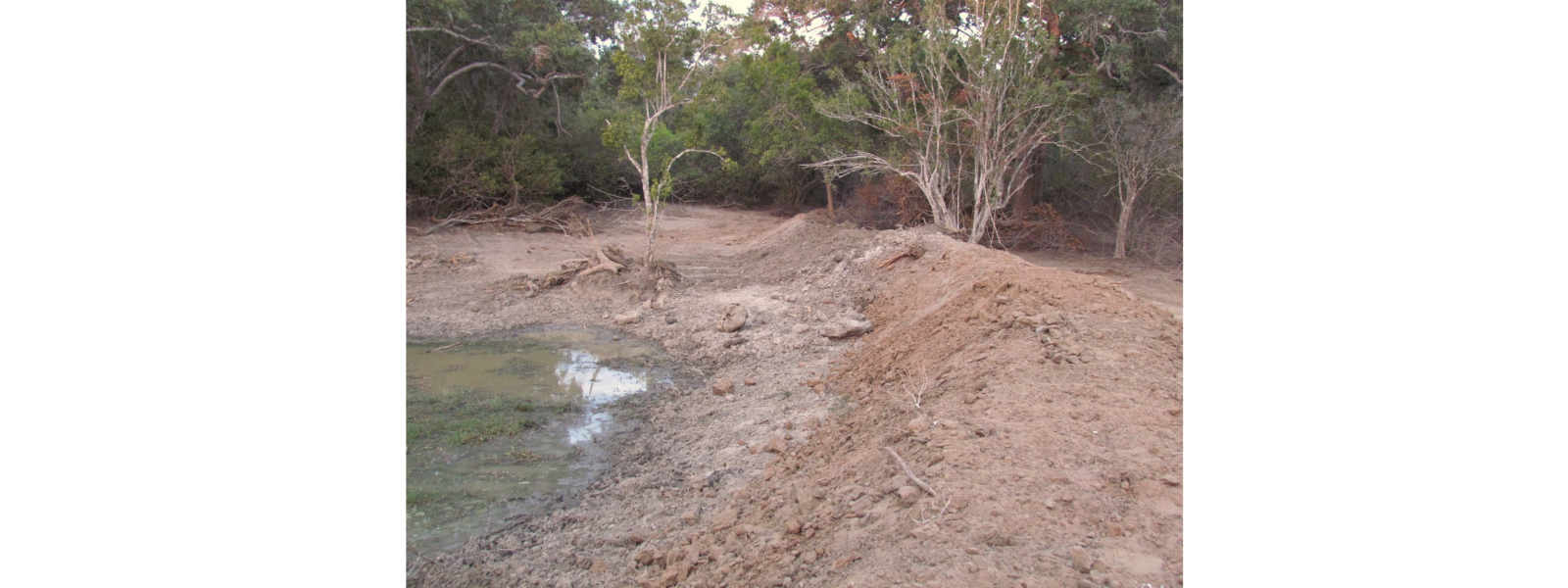
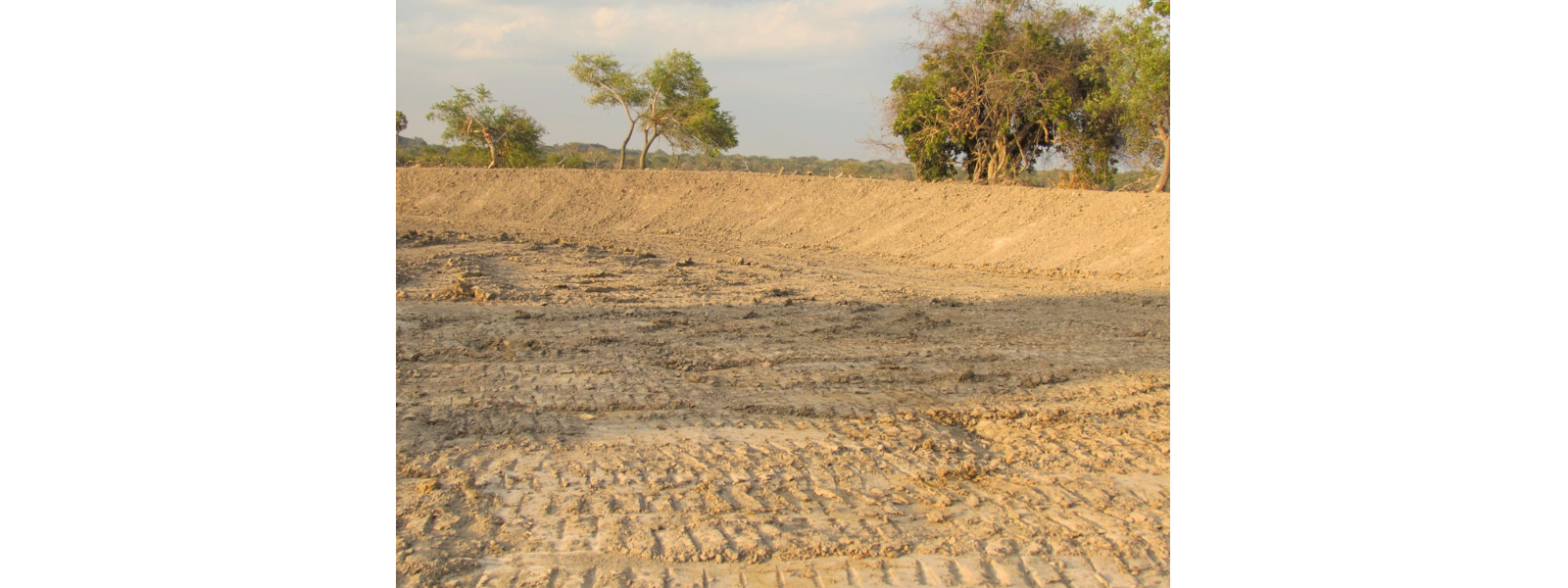
From 2002 onwards, they would restore and repair the broken, depleted, or forgotten water reservoirs and tanks, acting as the foundation for the park’s life. They’d “cut the roads”--keeping the park ready for when the war ended, even when it seemed like a distant prospect.
Their leader? Shirley Perera--the longest serving warden of any national park in Sri Lanka. “No park ranger works in a single park for 20 years,” one of them said. “Because no one wanted to come here--every time he got transferred, he [would] exchange his transfer with the guy who came here and stayed back because he loved it so much here.”
“He’s the one who made it a proper park. So he knew every single road, every single landmark, every single historical site. He’ll tell you everything.” The group worked in coordination with Gunasinghe, the wartime ranger of Kumana.
When asked why nature couldn’t simply be left to take its course, they stated, “The thing is, for every rain, it gets washed away. The bounds will break,” resulting in drought. When the park had already been stripped of its resources unnaturally, some form of human intervention was necessary to restore it.
“The original tanks were rebuilt by us, so they’d have water.”
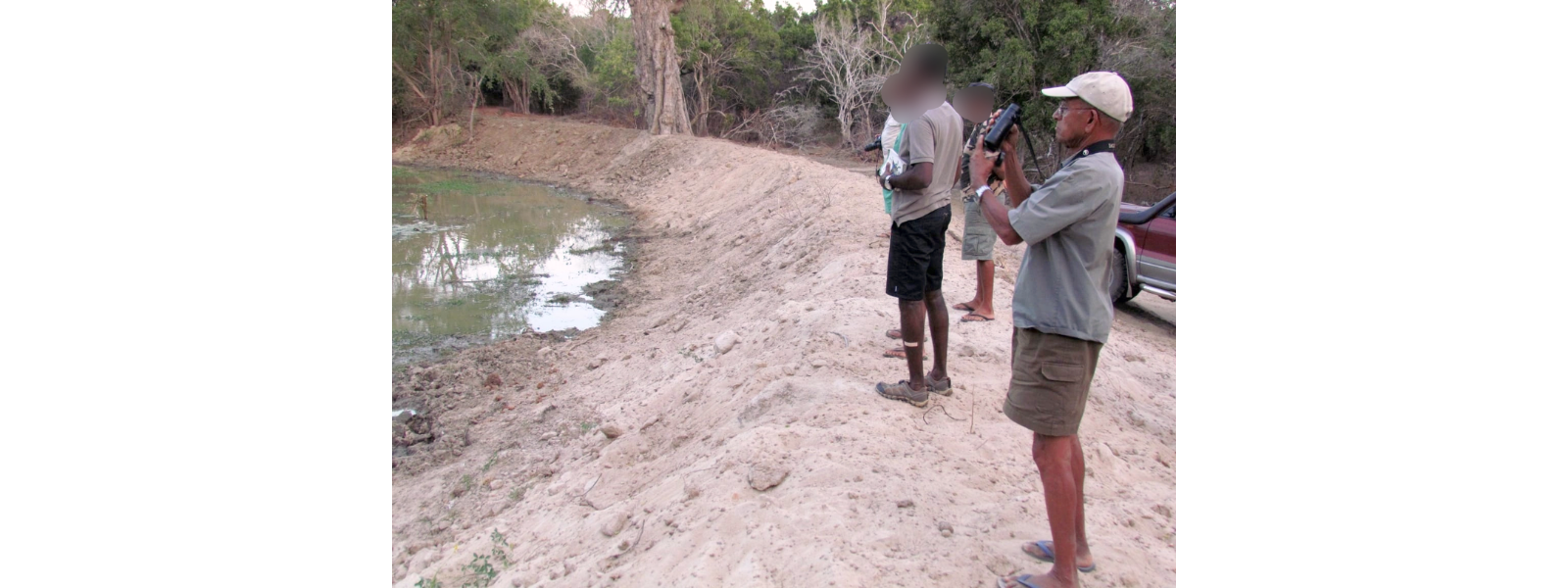
The importance of their work is also defined by their lack of support. Specifically, from the government: “they said ‘park is closed…What’s the purpose of restoring it?”
Then, they added, “[in] 2009--they said ‘Good work, we are opening the park.’”
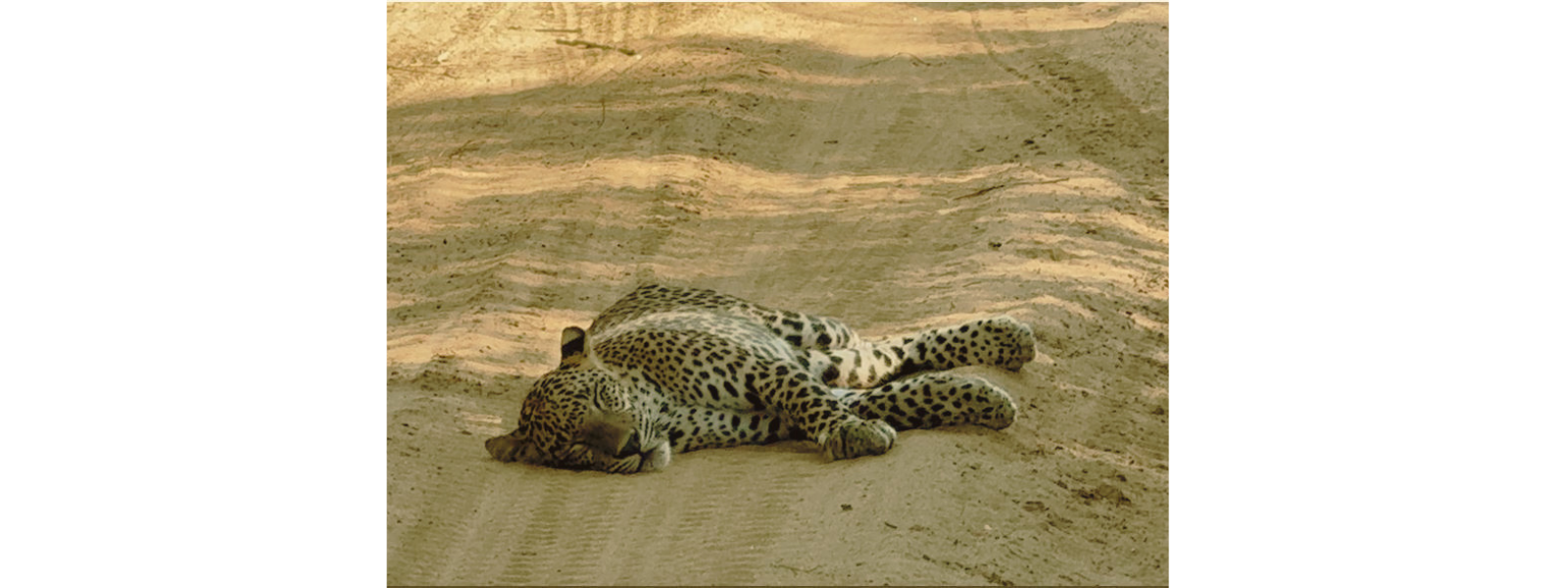
24 years later, Kumana is a biodiversity hotspot. The Tourism Development Authority lists Kumana as a prime bird sanctuary. A 2025 study by the University of Sri Jayewardenepura and the Department of Wildlife Conservation found 41 leopards per 100 square kilometers in some regions of the park--making Kumana a globally-ranked top leopard hotspot.
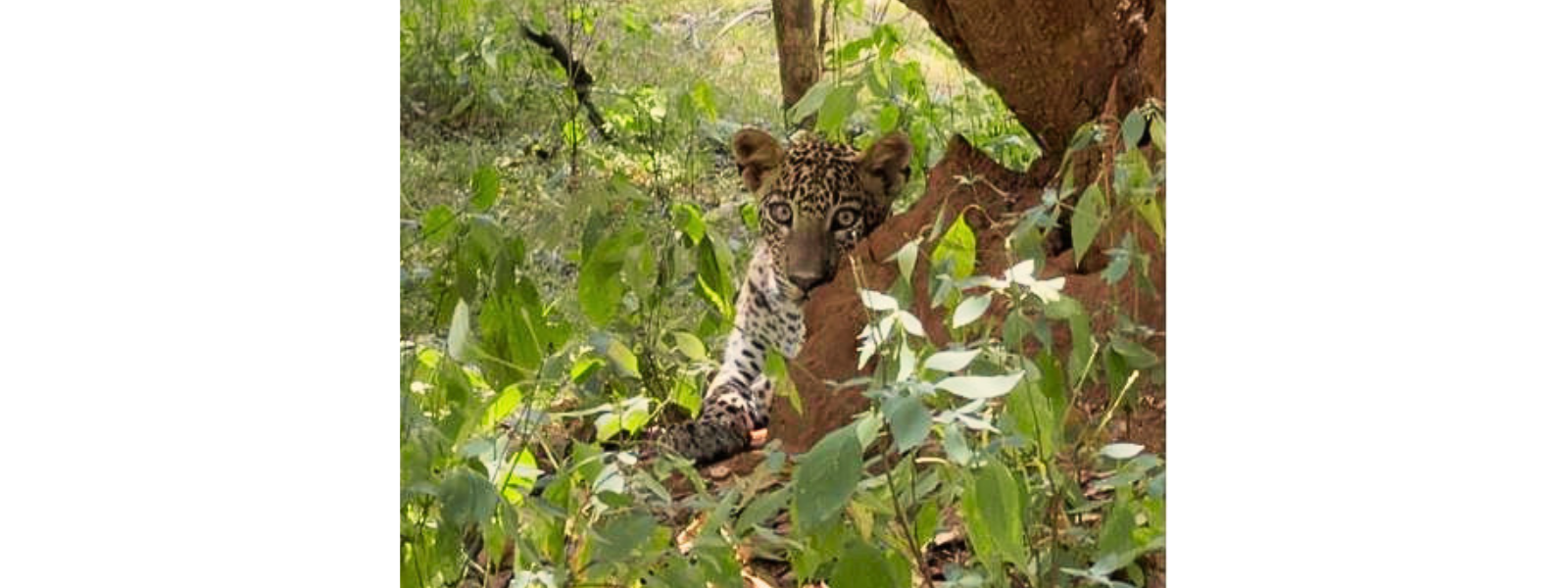
As the dry season hits Kumana, many may wonder whether nature can take it this time. Climate change and El Niño will worsen conditions, but the volunteers expressed hope. Faith in the actions of those who protect the natural world.
“Wildlife officials, the people in the area and all the well-wishers--everyone gets involved when the drought is too hard. They fill up the reservoirs, the water holes, and also the concrete holes,” one of the men stated. “For Kumana, I don’t think it will be a threat.”
Rather than define environmentalism as a practice merely undertaken by major organizations, governments, and IGOs, the G10 demonstrates that you--the individual--can make a difference. That after a natural environment has been utterly destroyed by human intrusion, it can be restored.
Wetlands, forests, and coastal lagoons are now buzzing with birds, elephants, deer, sloth-bears, and countless other creatures. If you visited it today, you would never know it had been a barren wasteland.
“I don’t want to put anything forward saying we did these things so long ago. They think we did it to benefit--to get something out of that afterwards. But it’s not so. We keep it quiet.” The group wished to remain anonymous.
It’s important to note, though--this is not the first time that Kumana has bounced back. Historically, the area housed the Southern Kingdom during the Kavantissa Era. The forest was cleared in favor of sprawling religious complexes and paddy fields--reminiscent of modern-day deforestation to clear ways for agriculture.
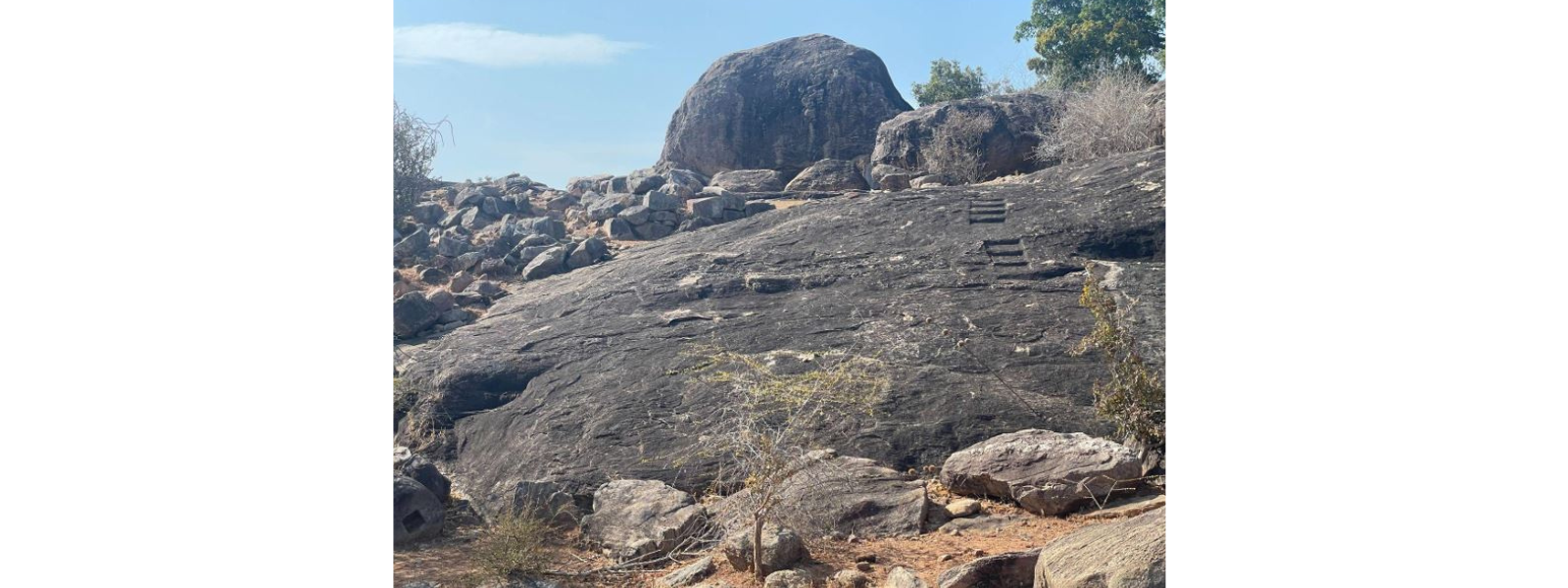
Later, when the kingdom shifted to the middle of the country--Anuradhapura and Polonnaruwa--“naturally the jungles have started growing when they left, and it has become a total unbelievably thick jungle and all the animals, everything, including leopards, bears, and elephants [it’s] become their habitat.”
Current environmentalism might be demoralizing: given the realisation that some of the damage we have done to the natural world feels irreversible. Certainly, most are. But if Kumana can bounce back after a large-scale civilisation, a Civil War, and periodic drought, then perhaps we too can make a change. Humanity’s destruction is not irreversible.
An Article by Clement Deane
Other Articles








Featured News


-849213_550x300.jpg)
-848028_550x300.jpg)
News 1st, MTV Channel (Pvt) Ltd, MBC Networks (Pvt) Ltd, 45/3, Braybrooke Street, Colombo-02.
T.P : +94 114 792 700,
Fax : +94 114 792 733
T.P : +94 114 792 700,
Fax : +94 114 792 733




 |  |  |
|---|---|---|
 |  |  |
 |  |  |
 |

.gif)